

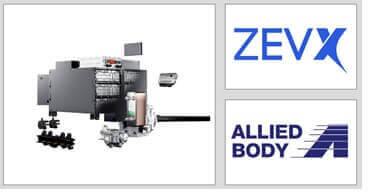
For fleets with vehicles that were still structurally sound and well suited for their work, repowering offered the potential to extend the useful life of those assets while beginning the transition toward electric transportation.
A Different Approach to Fleet Electrification
Purchasing a completely new electric commercial vehicle can represent a significant investment. Repowering was designed to provide an alternative by allowing businesses and public agencies to electrify vehicles they already owned.
Depending on the vehicle, battery configuration and operating requirements, the expected driving range was approximately 100 to 200 miles.
For many local delivery vehicles, service trucks and other commercial vehicles that return to the same facility each evening, that range could be enough to complete a typical workday, recharge overnight and return to service the following morning.
Unfortunately, the ZEVx program did not continue as originally planned, and the company closed operations in 2024.
Although the partnership ended, the experience provided Allied with valuable insight into the opportunities and challenges associated with electric commercial work vehicles.
What Fleets Must Consider Before Going Electric
One of the most important lessons from the program was that electrifying a work vehicle involves much more than replacing an engine with a battery.
The vehicle must still perform the job it was originally purchased to do.
Before selecting an electric or repowered work vehicle, fleet managers should carefully evaluate several factors:
Daily Driving Range
How many miles does the vehicle travel during a typical workday? Fleet managers should also account for unexpected trips, route changes, traffic and seasonal operating conditions.
Battery Capacity and Weight
Larger batteries may provide additional range, but they also add weight. That added weight can affect the vehicle’s available payload and the amount of tools, equipment or materials it can safely carry.
Heating, Cooling and Accessories
Cabin heat, air conditioning, warning lights, liftgates, compressors, refrigeration systems and other equipment can all draw power from the vehicle’s battery.
A realistic range estimate must consider how the entire vehicle will be used—not simply how far it will be driven.
Payload and Equipment Requirements
Commercial vehicles often carry substantially more weight than passenger vehicles. The battery system, body, tools, cargo and mounted equipment must all be considered when determining whether an electric vehicle can meet the fleet’s operational needs.
Charging Availability
Fleet operators must determine where vehicles will be charged, how long charging will take and whether the facility’s electrical infrastructure can support multiple vehicles charging at the same time.
The Work Must Define the Vehicle
The biggest lesson is simple: an electric work vehicle must be designed around the job it needs to perform.
A vehicle that works well for a local delivery route may not be the right solution for a construction crew, mobile service technician or utility fleet. Every application has different requirements for range, payload, equipment and daily operating time.
Successful fleet electrification requires thoughtful planning, careful engineering and a clear understanding of how each vehicle is used throughout the day.
While the ZEVx program ultimately ended, Allied values the experience and knowledge gained through the partnership. Exploring new technologies is part of understanding how commercial vehicles are evolving and how those changes may affect the businesses, agencies and workers who depend on them.
Since 1949, Allied Body has helped customers configure commercial vehicles around the work they need to accomplish. Whether the solution involves a traditional work truck, specialized equipment or emerging vehicle technology, the objective remains the same: build a vehicle that helps the customer work safely, efficiently and effectively.
Planning Your Next Work Vehicle?
Every commercial vehicle should be designed around its daily workload, equipment requirements and operating environment.
Contact Allied Body to discuss your next truck or van upfit and learn how our team can help you build a vehicle that is ready for the work ahead.